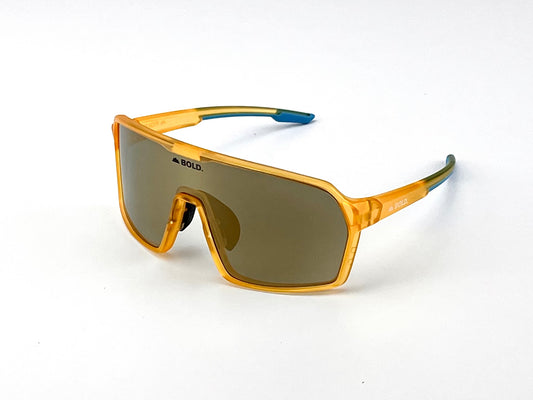
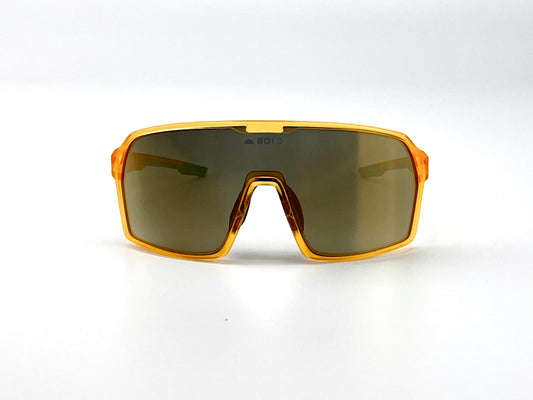
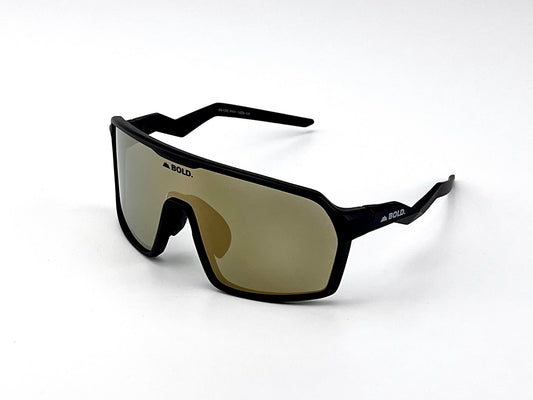
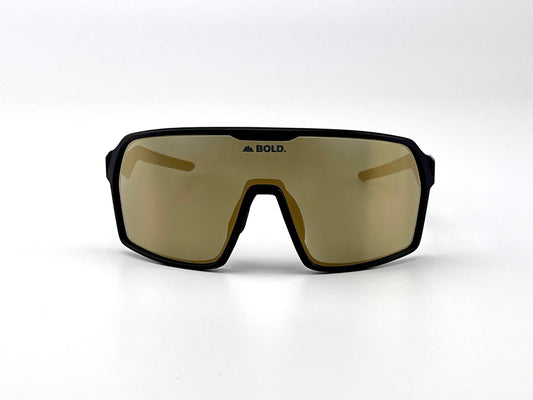
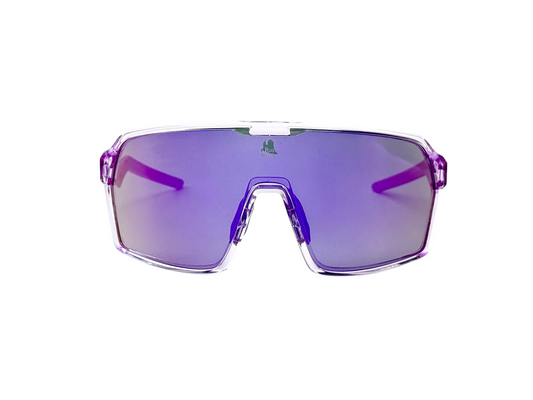
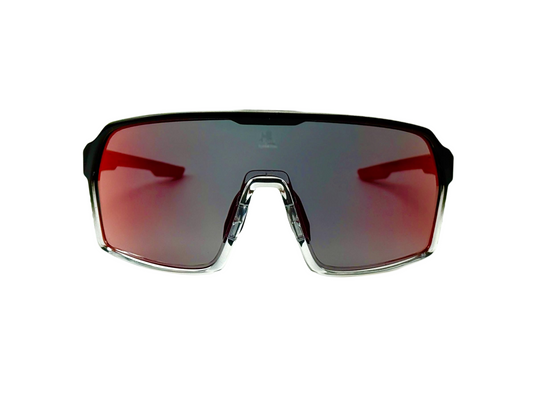
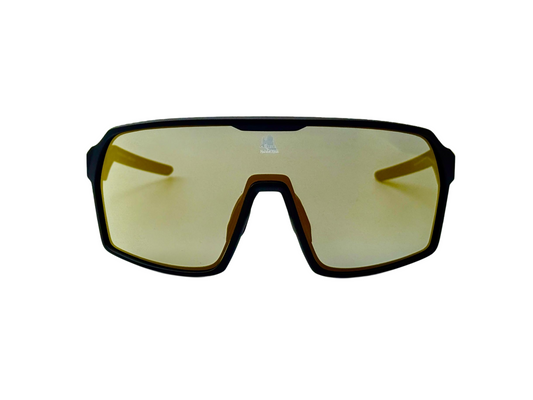
How Photochromic Lenses Work
Photochromic lenses contain molecules that react to UV light. In full sun they darken to reduce glare and eye strain. In low UV conditions — shade, tree cover, overcast skies, early morning — they lighten to let more light in so you can see terrain clearly. The transition takes 20–40 seconds. BOLD lenses are calibrated for outdoor sport use, not everyday driving, so the response range is optimized for the UV levels you actually encounter on the trail and mountain.
Shop BOLD Photochromic Sunglasses
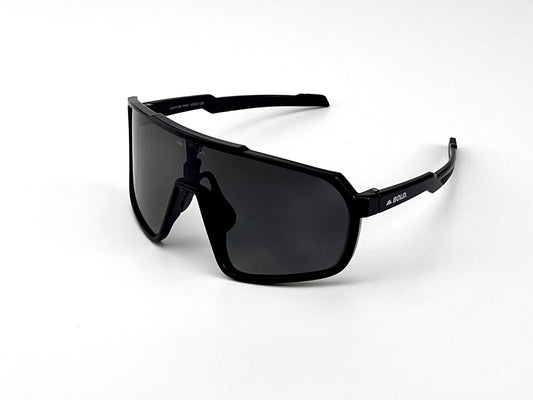
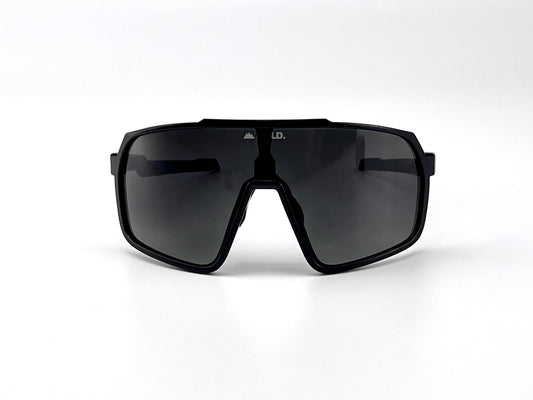
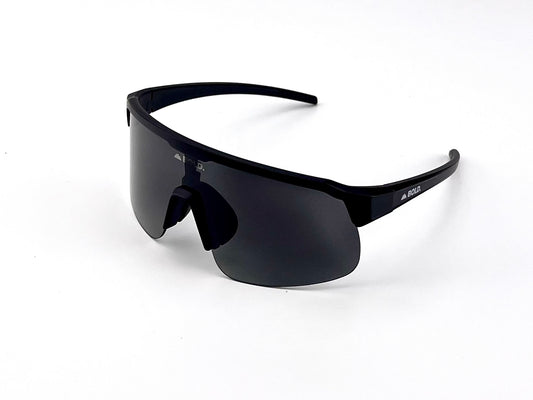
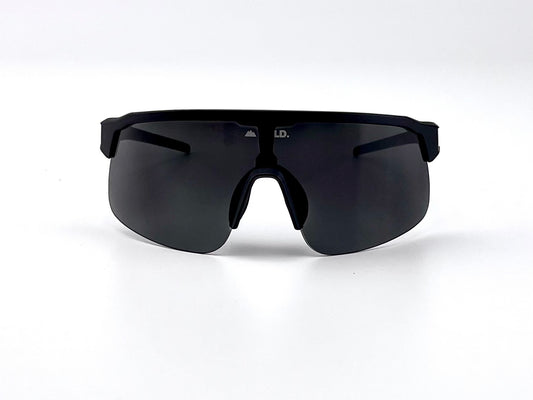
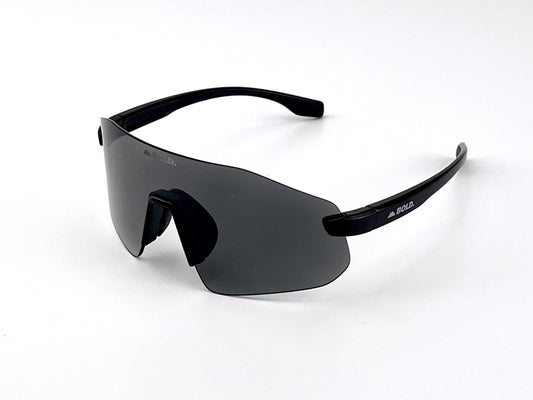
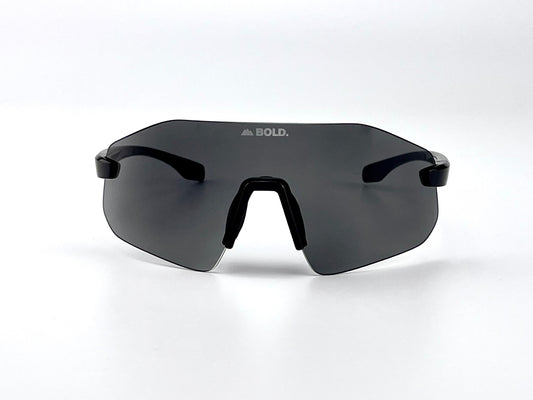
- Drift — Wraparound frame, top-seller for MTB and skiing. Full coverage, secure fit at speed.
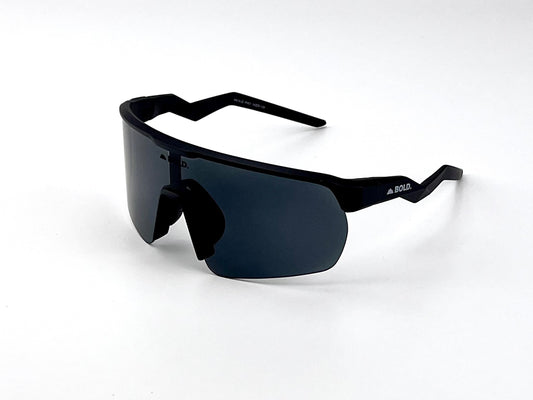
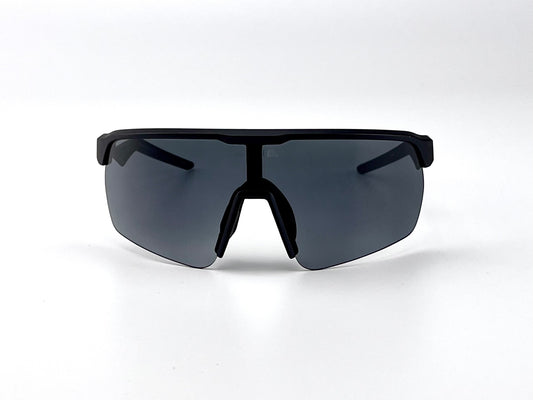
- Wavelength — Semi-rimless, lightweight. Built for endurance cycling and trail running where weight matters.
- Glow — Maximum side protection, full sport frame. Best for high-speed or high-exposure conditions.
- Emerald — Sport-to-everyday crossover. Slightly more refined profile without sacrificing coverage.
- Zippy — Compact sport frame. Strong choice for cycling and running where a lower-profile frame helps.
- Flash — Bold coverage with high-contrast photochromic lens. Optimized for variable mountain light.
Best For: Cycling, Skiing, and Trail Running
Photochromic sunglasses earn their value most in activities where conditions change mid-ride or mid-run. Cycling sunglasses need to handle bright open road and shaded forest sections without you reaching for a lens swap. Skiing sunglasses face dawn-to-midday UV swings and transitions between open runs and tree lines. Trail runners moving from exposed ridgelines into canyon shade have the same problem. Fixed-tint lenses force you to choose one condition and accept the tradeoff everywhere else. Photochromic lenses don't.
Photochromic vs Fixed Lens — Which Is Right for You?
Choose photochromic if: your activity involves variable light, you don't want to carry or swap lenses, or you ride/ski across multiple conditions in a single session. Choose fixed lens if: you have one specific, predictable condition (always bluebird, always flat light) and want maximum optical performance for that exact scenario. Not sure? Read the full photochromic vs fixed tint comparison.
Frequently Asked Questions
Are photochromic sunglasses good for cycling?
Yes — photochromic sunglasses are ideal for cycling precisely because road and trail conditions change constantly. When you move from open sun into tree cover or a tunnel, the lens adjusts automatically. BOLD's cycling frames like the Drift and Zippy are designed to stay in place at speed and provide full peripheral coverage.
Do photochromic sunglasses work for skiing?
They work well for skiing on days with variable cloud cover, tree runs, or long lift rides followed by open groomer runs. For dedicated ski goggle replacements in heavy snow or storm conditions, ski goggles provide better face seal. For spring skiing, resort laps, or ski touring where conditions are moderate, photochromic sunglasses perform well.
How long does the tint transition take?
Darkening (clear to tinted) typically takes 20–40 seconds in direct UV exposure. Lightening (returning to clear) takes slightly longer — roughly 1–3 minutes depending on temperature. Cold temperatures slow the transition slightly. For most outdoor sport use, the transition is fast enough to be seamless.
What's the difference between photochromic and polarized?
Photochromic means the lens changes tint based on UV light. Polarized means the lens has a filter that reduces horizontal glare from reflective surfaces (water, snow, pavement). These are different technologies — some lenses are both, some are only one. BOLD photochromic lenses are not polarized, which is intentional for trail and mountain use where polarization can reduce visibility on wet rocks and ice.