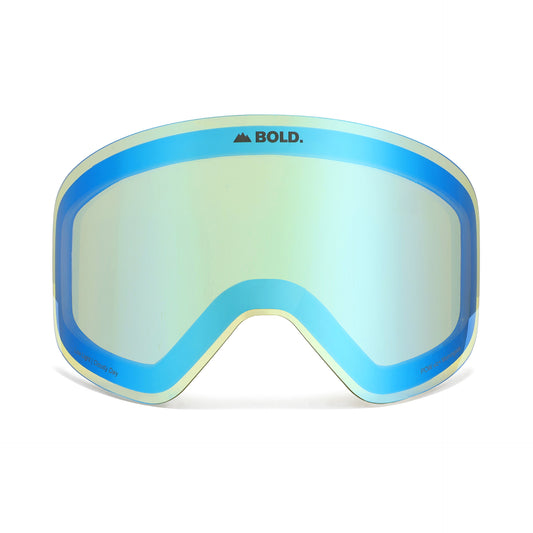
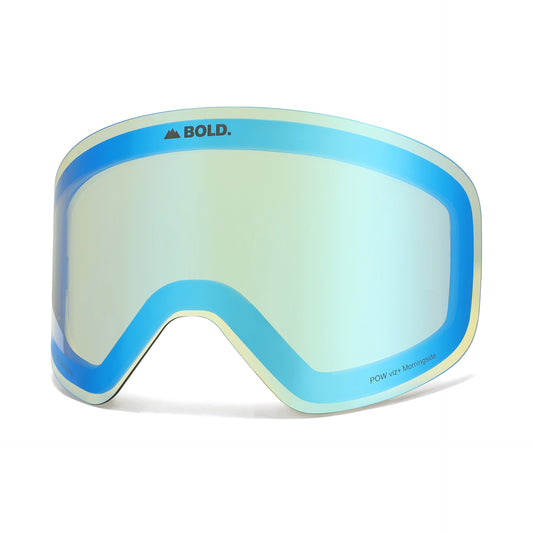
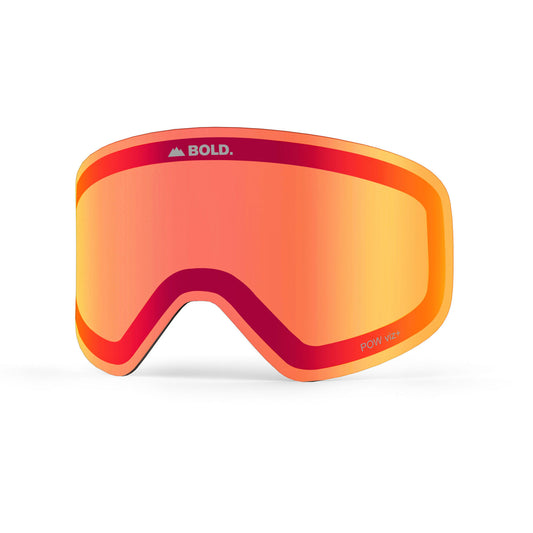
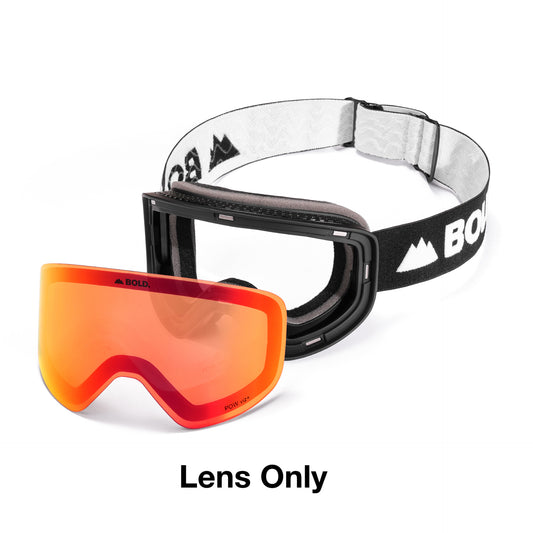
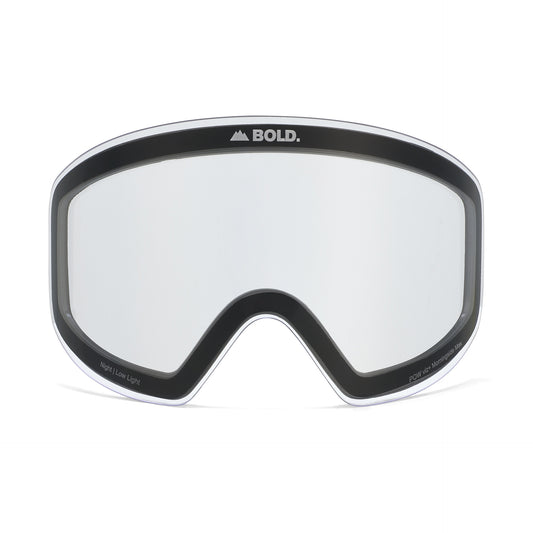
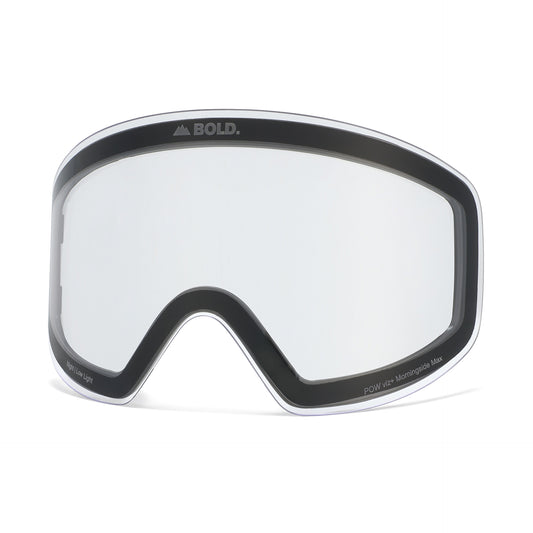
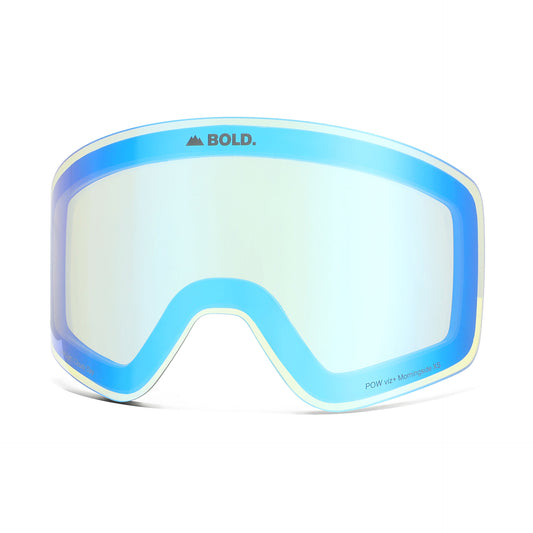
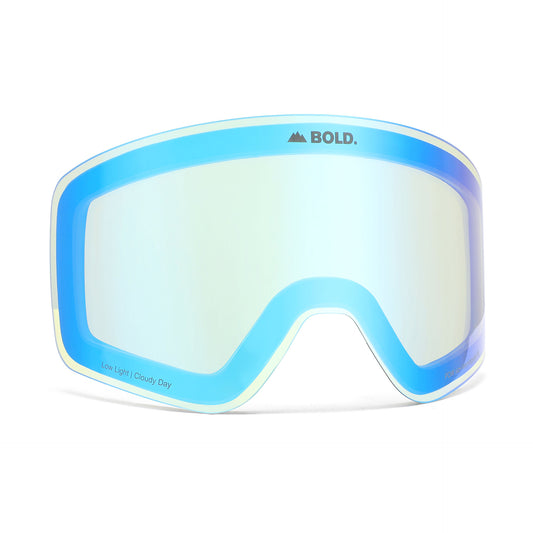
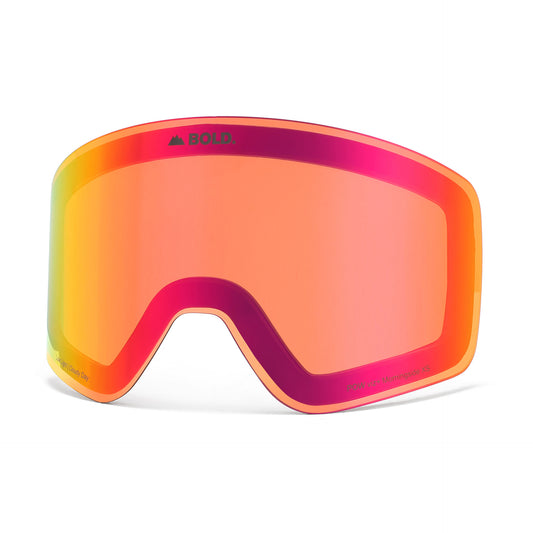
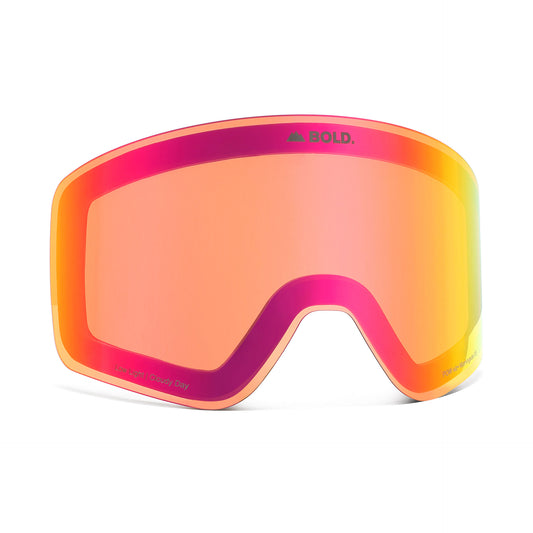
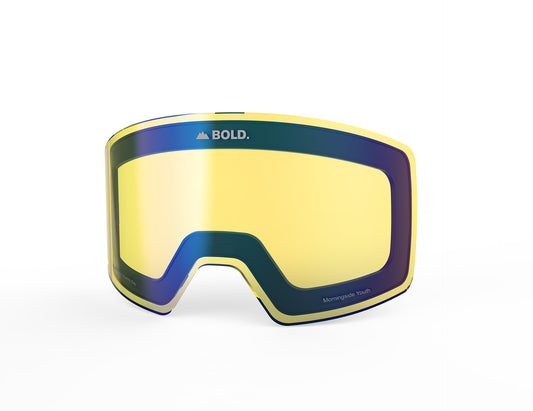
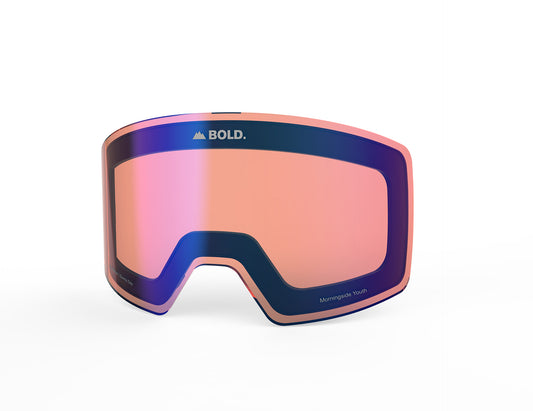
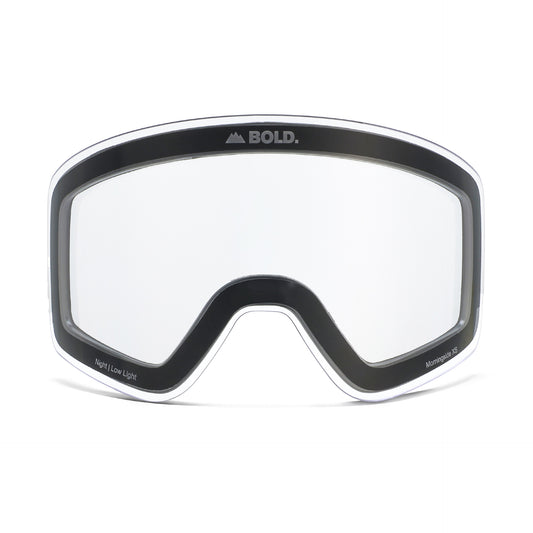
What are storm day ski goggle lenses best for?
Storm lenses are essential for low-light conditions, including heavy snowfall, thick fog, heavily overcast skies, and flat light. They are specifically designed to enhance contrast, helping you read the terrain clearly and navigate safely when visibility drops.
Can I wear storm lenses on sunny days?
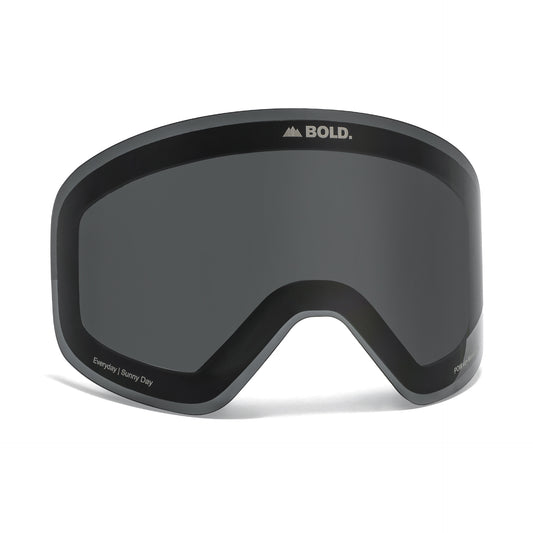
You can, but they are optimized for darker, overcast conditions. Because storm lenses are built to let more light in, wearing them on a bright, bluebird day can lead to eye fatigue or glare. In bright sun, riders usually prefer swapping to a darker tint with a lower visible light transmission.
What lens color works best for storm skiing?
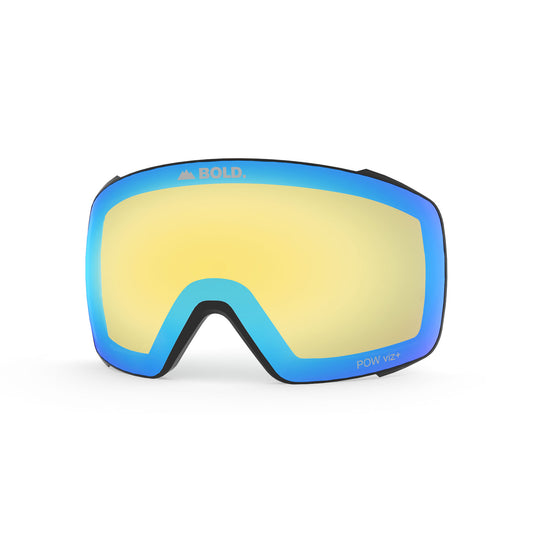
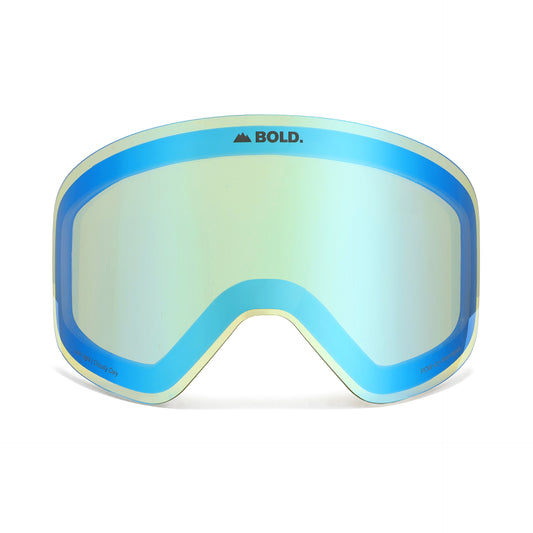
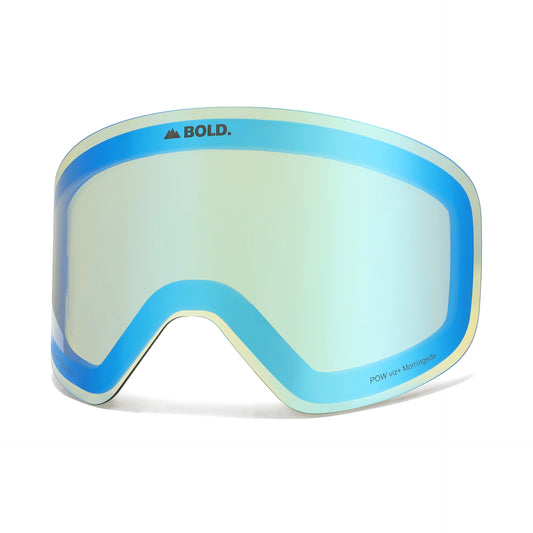
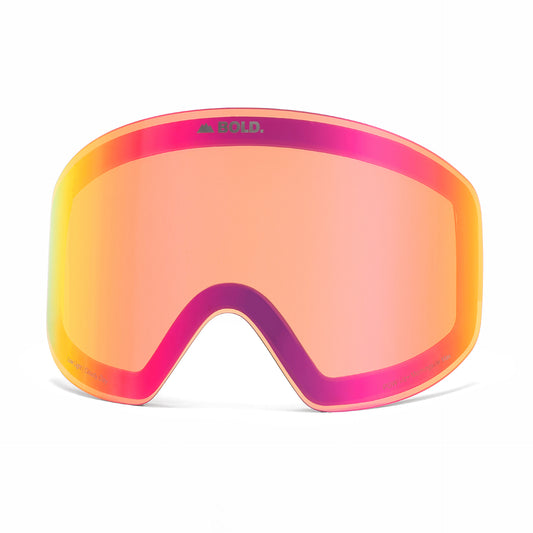
The most effective storm-oriented lenses feature high-contrast tints like yellow, rose, or amber. These specific color profiles help terrain features and definition stand out against the white snow in difficult, low-contrast lighting.
Who should choose a storm lens?
Storm lenses are a must-have for skiers and snowboarders who frequently ride during active snowfall, spend a lot of time in shadowed tree runs, or love to catch early morning and late afternoon laps when the light tends to be flat.
What is VLT (Visible Light Transmission) and how does it affect my lenses?
VLT, or Visible Light Transmission, measures the percentage of ambient light that passes through your lens to your eyes. For stormy or low-light days, you want a higher VLT (typically between 40% and 70%). This lets more light in to naturally brighten your field of view—for example, a 55% VLT is right in that sweet spot for snowy or foggy conditions. Conversely, a bright sunny day requires a lower VLT (typically between 10% and 25%) to block out harsh glare and darken the view. Regardless of the VLT percentage, all BOLD lenses offer 100% UV protection, keeping your eyes completely safe from harmful rays in any weather condition.
What are High Contrast Lenses and do I need them?
High contrast lenses are absolute game-changers for navigating flat light. BOLD goggles feature our proprietary POW Viz+ technology, which strategically filters out specific wavelengths of the color spectrum to boost contrast and depth perception on the snow. If you've ever skied in flat light where the ground looks completely blank and bumps seemingly sneak up out of nowhere, POW Viz+ solves that exact problem. This level of advanced optical technology is typically reserved for goggles in the $350 to $400+ range, but we include it standard in our BOLD ski goggles.
What is an Auto-Tint (Photochromic) lens?
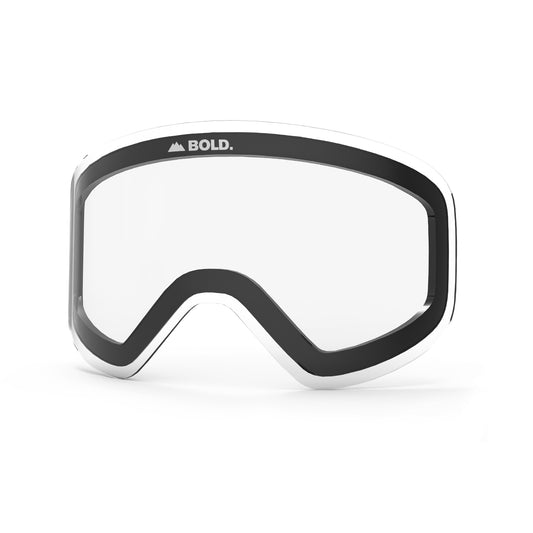
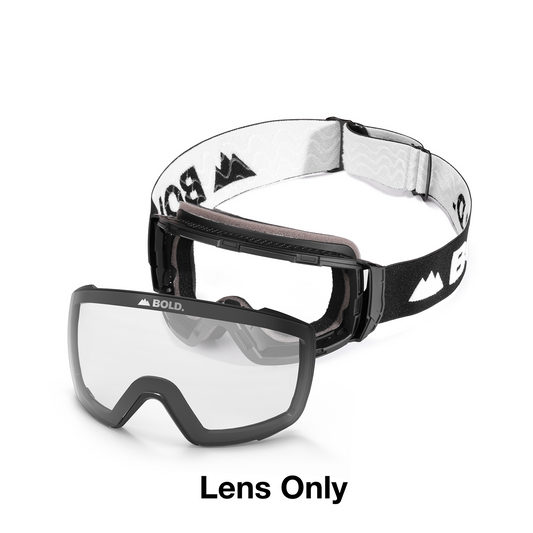
A photochromic lens, which we call Auto-Tint, is the ultimate all-in-one solution for changing mountain weather. These innovative lenses automatically adjust their color based on the exact light conditions around you. When it is dark out and snowing, the lens lightens up almost to fully clear to maximize your visibility. When the clouds part and it becomes bright and sunny, the lens automatically transitions to almost completely black to block out the harsh glare. Essentially, it gives you one perfect lens for all conditions.