Photochromic Ski Goggle Lenses | Auto-Tint

Photochromic ski goggle lenses automatically adjust from light to dark as conditions change. Also called auto-tint lenses, they provide clear vision in storms and full protection on bluebird days — without swapping lenses. Explore BOLD photochromic lenses featuring anti-fog performance and a magnetic quick-swap system. Not sure which lens is right for your conditions? Check out our Ski Goggle Lens Color Guide.

Photochromic Ski Goggle Lenses That Adapt to Any Condition

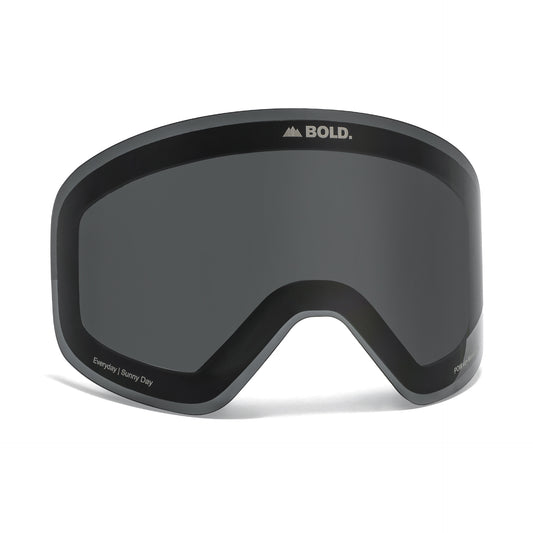
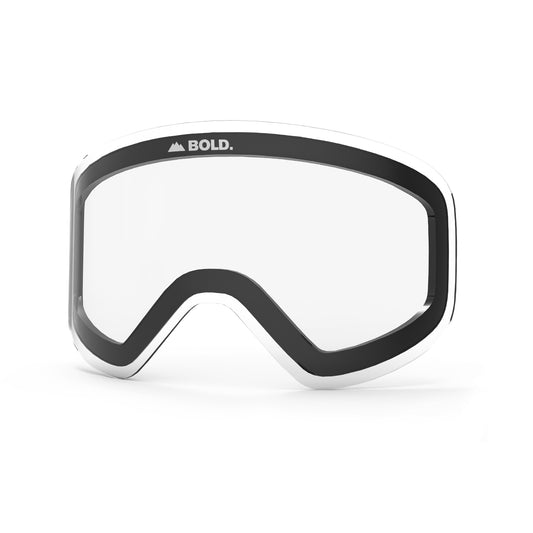
Photochromic ski goggle lenses, also called auto-tint or self-darkening lenses, automatically adjust their tint based on the amount of UV light hitting them. When the sun comes out, they darken. When clouds roll in or you drop into the trees, they lighten. BOLD Auto Tint replacement lenses transition from 20% VLT in bright sun all the way to 83% VLT in low light, giving you full-range coverage in one single lens. No more choosing the wrong lens in the parking lot or stopping mid-run to swap. Just click it in and ride.


Photochromic Ski Goggle Lens FAQs

What is a photochromic ski goggle lens?
A photochromic lens contains molecules that react to UV light. As UV levels increase in sunny conditions, the lens automatically darkens. As UV drops in clouds, shade, or indoors, it lightens back up. The result is a single lens that handles a wide range of light conditions without any manual swapping.

How fast do BOLD Auto Tint lenses transition?
BOLD Auto Tint lenses react to changing UV conditions in seconds, not minutes. Real-time transitions mean the lens keeps pace with moving clouds and shifting terrain shadows.

What is the VLT range on BOLD photochromic lenses?
BOLD Auto Tint lenses transition from 20% VLT in bright sun to 83% VLT in flat or low light, covering nearly the full spectrum from a sunny bluebird day to a heavy overcast or tree-run scenario.

Are photochromic lenses worth it compared to having two lenses?
For skiers who do full-day sessions with variable weather, yes. Photochromic lenses eliminate the need to carry a second lens or stop to swap. For skiers who want maximum performance in one specific condition, a fixed-VLT lens is the better choice for that use case.

Do BOLD photochromic lenses work with all goggle models?
BOLD Auto Tint replacement lenses are model-specific. The Morningside and Rambler have their own lens versions. Check the corner of your current lens to see the model name etched directly on it.


Photochromic vs. Interchangeable: Which Lens System Is Right for You?

The decision between a photochromic lens and a standard interchangeable lens system comes down to how you like to manage your gear on the mountain.

Photochromic lenses are best for skiers who want a set-it-and-forget-it solution. One lens handles all-day changes in lighting without any intervention. If you ski long days across multiple runs in varying terrain and weather, a photochromic lens is the smarter choice.

Interchangeable fixed-VLT lenses are best for skiers who know their conditions in advance or want maximum optical performance for a specific scenario. A dedicated sunny day lens at 6% VLT will block more light than a photochromic lens at its darkest. A dedicated clear lens at 85% VLT passes more light than a photochromic lens at its lightest.

Many serious skiers own both: a photochromic lens for variable-weather days and a fixed-VLT set for days when conditions are predictable. BOLD's magnetic swap system makes carrying an extra lens easy. It fits in a goggle case or jacket pocket and clicks in without removing your gloves.