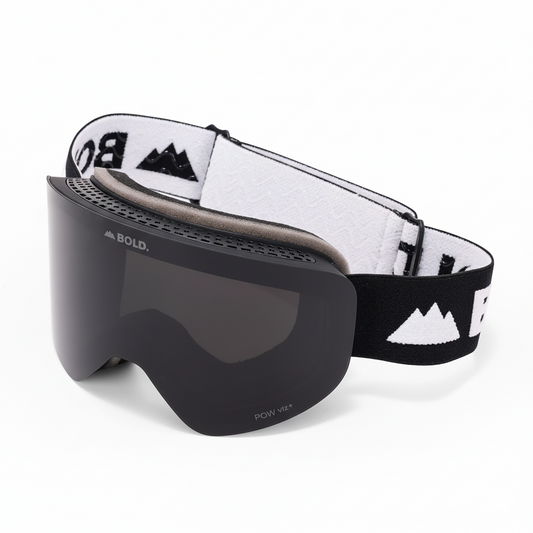
Ski Goggles | Magnetic Lens Swap

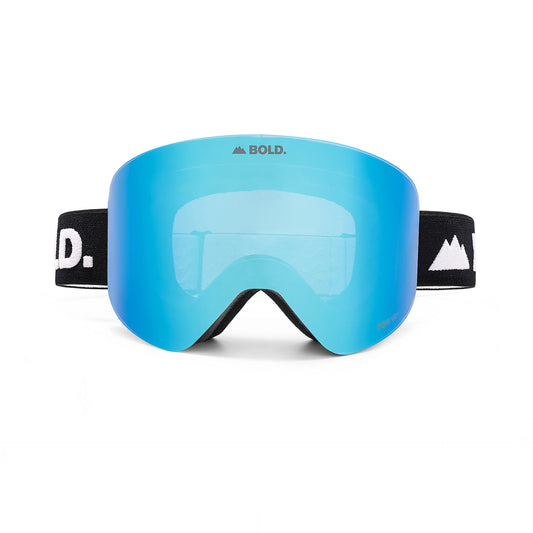
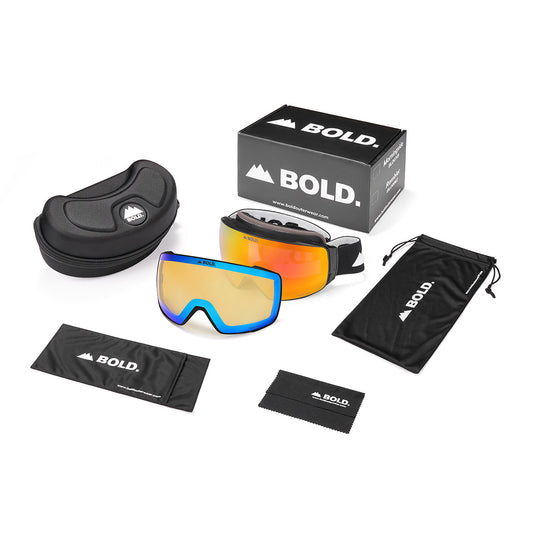
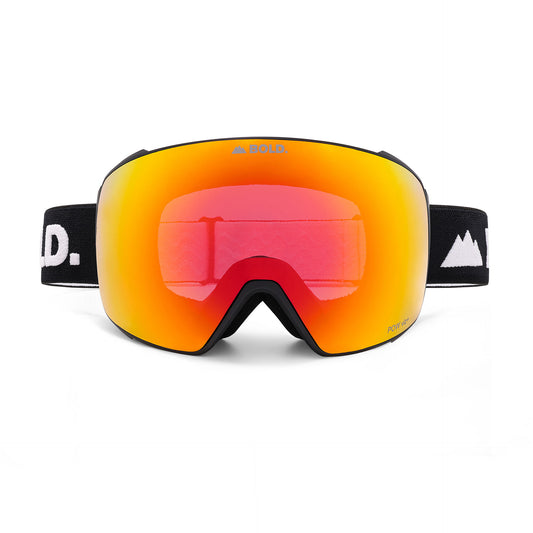
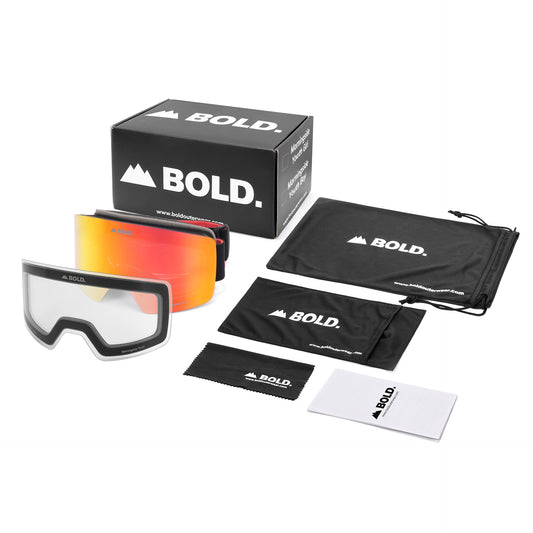
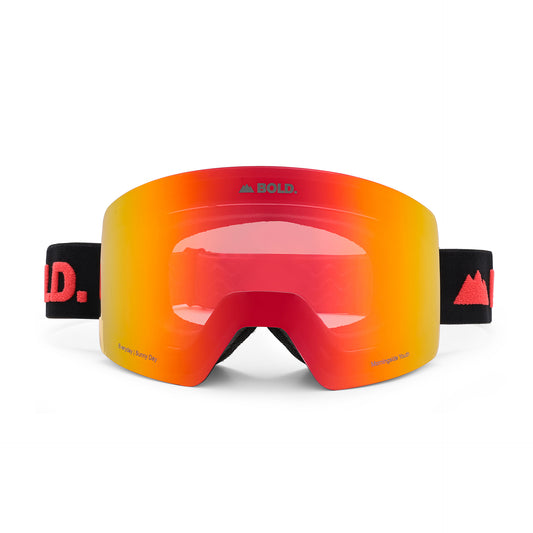
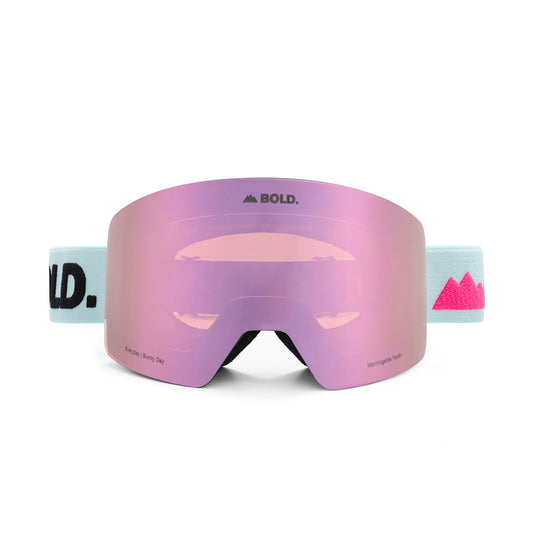
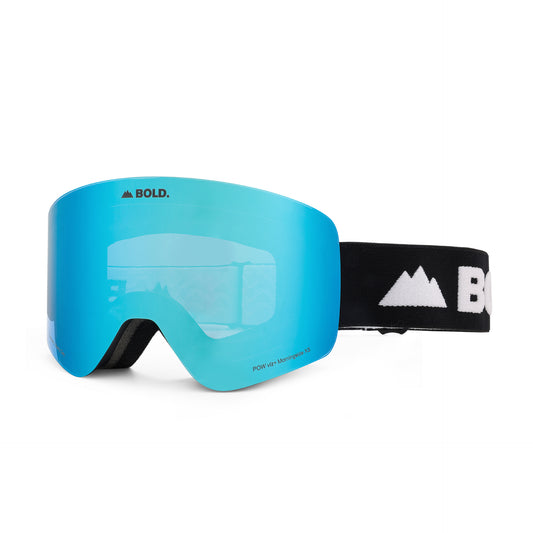
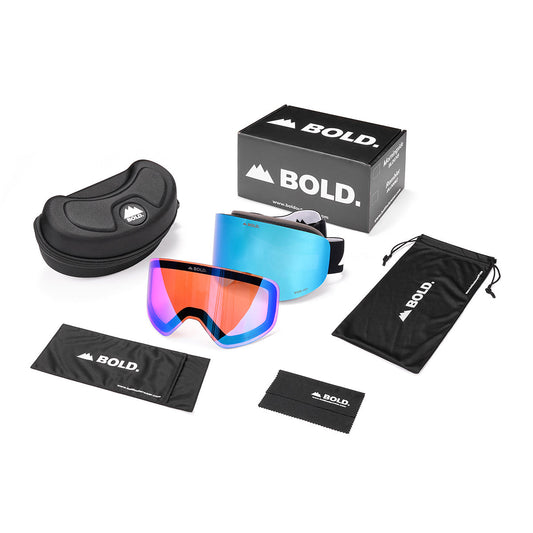
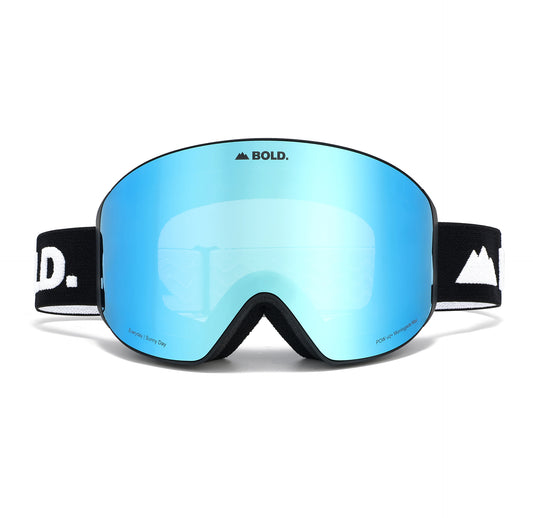
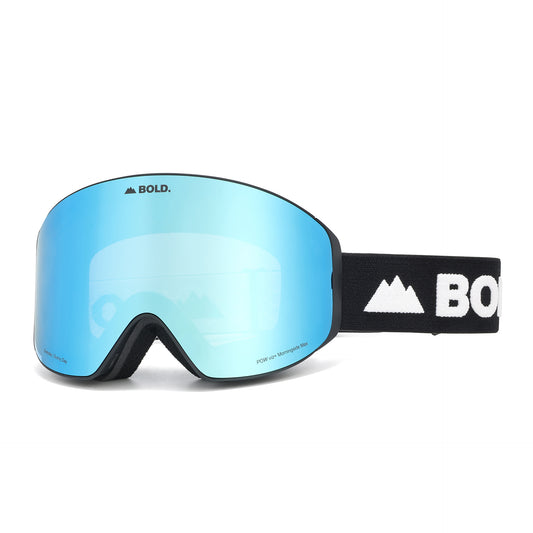
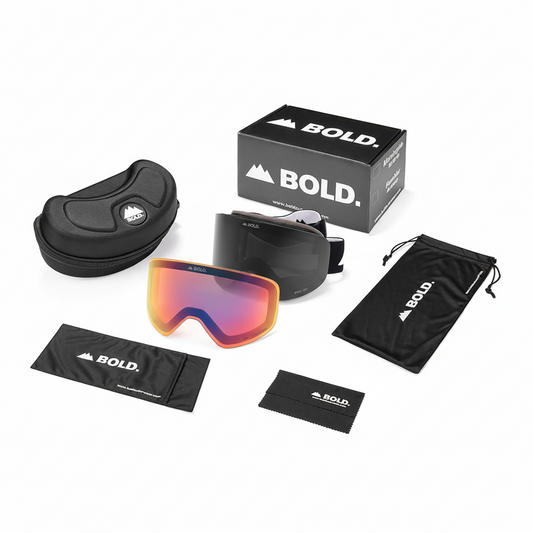
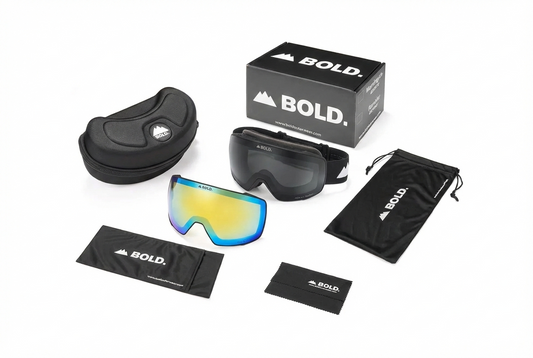
The best ski goggles do three things well: they fit your face, survive every light condition on the mountain, and swap lenses fast enough that you actually do it. BOLD ski goggles check all three. Every goggle in our lineup ships with a magnetic ski goggle lens system that changes in five seconds with gloves on, POW VIZ+ high-contrast coating for sharper definition in flat light, and a two-lens package so you're ready for sun or storm on day one. If you want one lens that handles everything, our photochromic ski goggles auto-tint from light to dark as UV changes — no swapping required. Whatever your conditions, your face shape, or your lens preference, there's a BOLD goggle sized for it.

Magnetic Lens Swap — Built to Actually Use

Most interchangeable goggle systems look good on paper and frustrate you on the chairlift. BOLD's magnetic lens system uses strong embedded magnets and a positive-click seat so the lens drops in and locks without fumbling. Brian M., a ski patrol officer who swaps between sunny and night-duty lenses constantly, called it "great product and great value." Powder Hound noted: "Easy to swap lenses without taking off the goggles and the magnets are super strong."

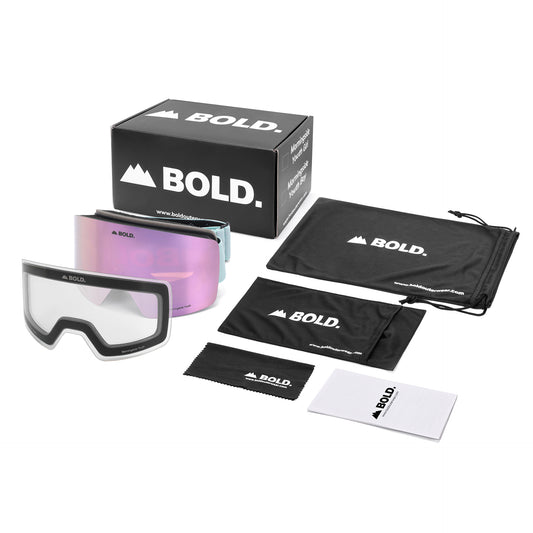
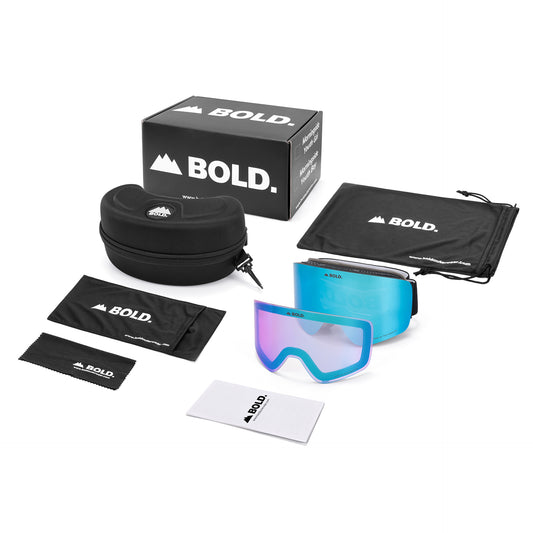
Every BOLD package includes two lenses: an everyday sunny-day lens and a low-light stormy-day lens. Want to go deeper? Browse all BOLD replacement ski goggle lenses or go all-in with our photochromic auto-tint lenses — Tom Best, a long-time BOLD user, said of the AutoTint: "with these new lenses, I may never have to change them again."

Ski Goggles for Glasses Wearers — OTG Options

If you wear prescription glasses on the mountain, standard goggles that squeeze your frames against your face are a real problem. BOLD makes OTG (over-the-glasses) versions of the Morningside, Morningside Max, and Rambler. The OTG frames have a recessed lens cavity and notched temple foam to sit cleanly over most glasses frames without pressure on the arms or gaps at the seal.

The OTG cluster is one of our most-searched categories, and for good reason — finding ski goggles designed for glasses wearers that actually fit well is harder than it should be. That guide covers what to look for, how OTG foam works, and which BOLD frame is most likely to fit your specific glasses style.

How to Choose the Right Lens for Every Condition

Lens color and VLT (Visible Light Transmission) are what determine how well you see in a given light condition. High VLT = more light in, better for overcast and flat-light days. Low VLT = more tint, better for bright sun and high-altitude glare. BOLD's two-lens packages give you both ends of that spectrum. Our ski goggle lens guide walks through every color, VLT percentage, and which conditions each is built for — use it if you're building out a custom lens kit or deciding whether the AutoTint photochromic is right for your mountain.

Not sure which goggle frame fits your face? The Morningside vs Rambler guide breaks down the fit differences, field-of-view tradeoffs, and who each frame is built for.

Find Your Fit

Morningside — Medium to large faces. The widest coverage, biggest lens, most popular frame. Available standard or AutoTint photochromic.
Morningside Max — Wide fit, near-panoramic field of view. Built for wider faces or anyone who wants maximum peripheral coverage.
Rambler — Medium to small faces. Slightly narrower and shallower profile than the Morningside. Same magnetic system, same POW VIZ+ coating.
Morningside XS — Narrow and small faces. Tighter foam, narrower lens, designed to seal well without pressure points.
Morningside Asian Fit — Lower nose bridge geometry for a better seal and less fogging on riders with flatter nose bridges.

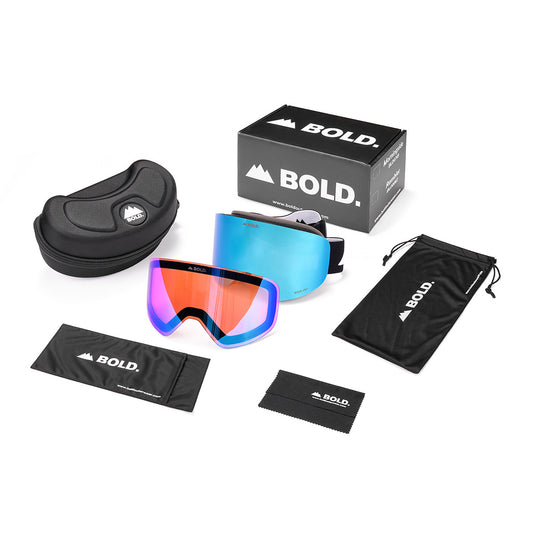
All adult goggle packages start at $179 and include two magnetic lenses and a hard case.

Frequently Asked Questions

What are the best ski goggles?

The best ski goggles fit your face, seal well against your helmet, and handle the light conditions you actually ski in. BOLD goggles are built around a magnetic lens swap system so you can change from stormy-day to sunny-day lenses in seconds — which means you always have the right lens, not just the one you started with. For an all-in-one option, our photochromic AutoTint lenses auto-adjust as UV changes throughout the day.

Do BOLD ski goggles work for glasses wearers?

Yes. BOLD makes OTG (over-the-glasses) versions of the Morningside, Morningside Max, and Rambler. The OTG frames have a recessed cavity and notched temple foam to fit over most prescription glasses frames without discomfort. Read our full guide to ski goggles for glasses wearers for fit tips.

What is magnetic lens swap and why does it matter?

Magnetic lens swap means the goggle lens attaches with embedded magnets instead of a clip or tab system. On BOLD goggles, the lens drops in, clicks into place, and releases with a firm pull — all with gloves on, all in under ten seconds. It matters because you'll actually swap lenses when conditions change instead of leaving the wrong lens in all day.

What VLT should I choose for my ski goggles?

VLT (Visible Light Transmission) is the percentage of light that passes through the lens. Higher VLT (50–80%) is better for overcast, flat-light, and low-visibility days. Lower VLT (10–25%) is better for bright sun and high-altitude glare. Every BOLD package ships with two lenses covering both ends. Not sure which color is right for your typical conditions? Our ski goggle lens guide covers every option.

Competitive skier Ella W. put it simply: "I could not imagine an easier system" — and Nate G. called them "some of the best and most high quality goggles I have ever used." If you're ready to find your fit, browse the full lineup above or shop replacement lenses to build out your kit.

Ski Goggles for Every Condition and Riding Style

BOLD ski goggles are built for riders who want clear vision, dependable comfort, and lens options that match real mountain conditions. Based in Steamboat Springs Colorado, known as Ski Town USA, we have outfitted some of the top athletes in the country along with families enjoying their winter ski vacations. Every pair of our goggles features a fully magnetic system so the lenses are super simple to swap on and off. Plus, all of our goggles include two lenses, an everyday sunny day lens and a low light stormy day lens, as well as a protective hard case. Whether you ride in bright alpine sun, stormy flat light, or mixed conditions that change by the hour, this collection helps you find the perfect setup.


Ski Goggle FAQs

What ski goggle lens is best for flat light?
Low light and storm oriented lenses are usually best for flat light because they improve contrast and help terrain details stand out in cloudy or snowy conditions.

Are photochromic ski goggles worth it?
Photochromic goggles are worth it for riders who see changing conditions and want one setup that can adapt from lower light to brighter sun without carrying multiple lenses.

What is high contrast lens technology?
Our lenses use proprietary high contrast technology to filter out specific light wavelengths, creating incredible depth and definition in the snow. If you struggle with flat light where the terrain washes out and bumps sneak up on you, this technology brings the mountain back into focus. You normally only find this level of optical clarity in goggles priced in the $350 to $400 plus range, but it is standard in all BOLD goggles.

What does VLT mean for ski goggles?
VLT stands for Visible Light Transmission, which is the percentage of light the lens lets through. For stormy days, you want a higher VLT, like 55 percent, because it lets more light in and brightens up the low light conditions. For bright sunny days, a lower VLT, like 25 percent, blocks out the harsh glare and darkens your view to keep your eyes relaxed.

Are the lenses easy to change?
Yes, all of our ski goggle lenses are fully magnetic, making them incredibly fast and simple to swap out when the weather changes on the mountain.

Are the ski goggle straps replaceable?
Yes, all BOLD ski goggle straps are fully replaceable. A big issue with many ski goggles on the market is that the elasticity in the strap naturally wears out over time. Because most brands mold their straps directly into the frame, a stretched out strap means you have to throw them away and buy a completely new pair of goggles. With BOLD, our straps are designed to be easily swapped out. You can pick from a variety of cool designs to customize your look, and if your strap ever does lose its stretch, you can simply replace it for just $15 and get right back in business without having to replace your entire setup.

How much do replacement lenses cost and are they easy to find?
Our replacement lenses are highly affordable, ranging from $39 to $69. We know how frustrating it is when you scratch a lens and have to go on a wild goose chase just to find a replacement. Many goggle brands make it incredibly hard to find the right lens for your specific frame, and once you finally do, they can easily cost $120 or more. BOLD has made a firm commitment to always have replacement lenses readily available and affordably priced, so you can keep your goggles performing like new season after season.

Do BOLD ski goggles fit over prescription glasses?
Yes. The Morningside OTG and Rambler OTG are built specifically to fit over prescription glasses. They have notched foam and a recessed lens area that accommodates most eyeglass frame sizes comfortably. If you wear glasses on the mountain, the OTG version is the reliable choice — the standard versions can occasionally fit slim frames, but the OTG eliminates the guesswork.

What are the best ski goggles for the money?
The best ski goggles at any price point are the ones that fit your face and seal properly — fogging and pressure gaps are almost always a fit problem, not a gear problem. BOLD's lineup includes two magnetic lenses, a hard case, and anti-fog coating at a price where most major brands charge significantly more for equivalent performance. Replacement lenses start at $39 and are always in stock, so you never have to buy a whole new pair when conditions change or a lens gets scratched.


Choosing the Right Ski Goggle Fit and Setup

Step 1: Choose Your Frame Style and Fit
Fit and frame style are just as important as the lens. Here is a quick guide to help you match our models to your face shape and specific needs:

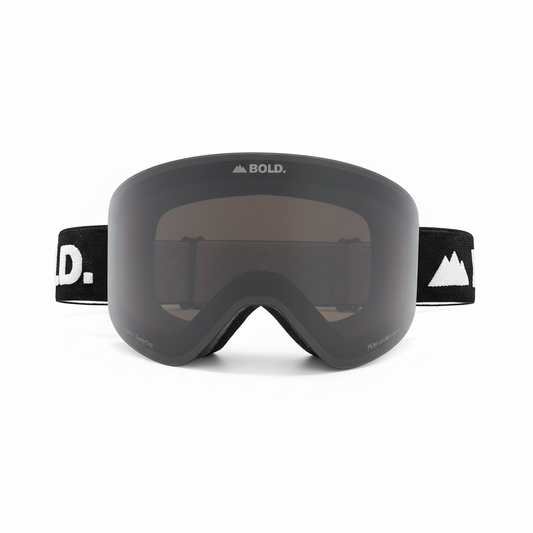
  • Morningside: A frameless goggle with a cool and sleek design that is incredibly popular right now. It is a little taller from top to bottom and narrower from left to right compared to the Rambler.
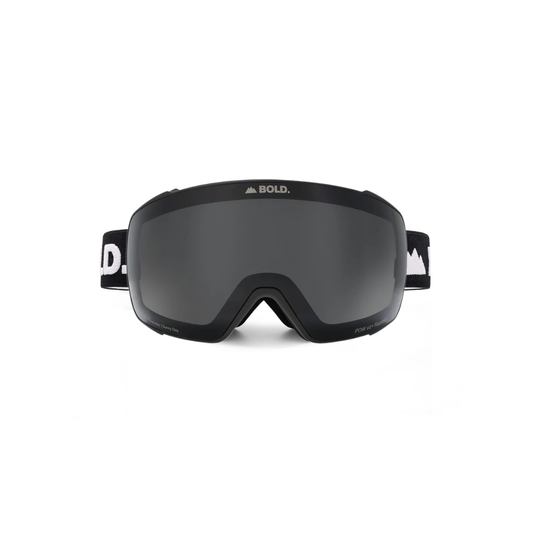
  • Rambler: Features a traditional frame. It is a little narrower from top to bottom and wider from left to right, giving you a slightly wider field of vision compared to the Morningside.
  • Morningside Max - Wide Fit: Provides a massive field of view and is a great choice for those with wider faces.
  • Morningside XS - Narrow Fit: A narrow goggle that is perfect for teenagers and females with narrower faces.
  • Youth Goggles: A dedicated youth frame built specifically for riders in the 8 to 12 year old range.
  • Over The Glasses - OTG: Features special notches in the frame that allow the goggles to easily and comfortably slide right over your prescription glasses (available in the Morningside, Rambler, and Morningside Max models).
  • Asian Fit or Low Bridge: Designed specifically for riders with a lower nose bridge to ensure a proper and comfortable seal against your face (available in the Morningside and Rambler models).

Not sure which frame will fit your face best? Take advantage of our Try Before You Buy program. You can add a few different models to your cart and we will ship them to you for free. You only pay for the ski goggles you decide to keep, and we pay for and arrange all of the return shipping.

Step 2: Select Your Lens Package
Once your frame is selected, your only other decision is choosing your goggle package. You can choose a package featuring an Auto Tint photochromic lens, which automatically adjusts its color based on the changing light, or a package with a fixed color everyday lens.

The best part? No matter which package you choose, it automatically includes a dedicated low light stormy day lens and a hard case. We have put together the most versatile combinations so you will always have exactly what you need when the winter weather rolls in.

Browse BOLD Ski Goggles by Condition or Style

Photochromic Auto-Tint Ski Goggles: One lens that adjusts from bright sun to flat light automatically. Best for riders who see changing conditions throughout the day. Shop photochromic ski goggles.

Stormy Day & Flat Light: High-VLT lenses that brighten the snowpack and pull out contrast in overcast, foggy, and low-light conditions. Shop stormy day lenses.

Sunny Day & Bluebird: Low-VLT mirrored lenses that cut glare and protect your eyes on bright alpine days. Shop sunny day lenses.

Night Skiing & Clear Lenses: Maximum light transmission for night skiing and very low-light indoor riding. Shop clear lenses.

Goggles for Glasses Wearers (OTG): Morningside OTG and Rambler OTG fit comfortably over prescription glasses with notched foam and a recessed lens cavity. Shop OTG ski goggles.

Kids Ski Goggles: A dedicated youth frame built for riders ages 8 to 12, with the same magnetic lens system and anti-fog performance as adult models. Shop kids ski goggles.

Ski Goggle Buying Guides

Ski Goggle Lens Color Guide: VLT, Conditions & How to Choose: Explains VLT, which lens color works in sun vs. storms vs. flat light, and when to upgrade to photochromic.

Ski Goggle Fit Guide: How to Find Goggles That Actually Fit Your Face: Covers how to match frame size to face shape, what to check for seal and coverage, and how to know if a goggle fits correctly.

Morningside vs Rambler: Which BOLD Ski Goggle Is Right for You: Side-by-side comparison of BOLD's two most popular frames by fit, lens options, and use case.

Photochromic Ski Goggles Explained: How Auto-Tint Lenses Work and Who Needs Them: Breaks down how photochromic technology works, VLT ranges, and which riders benefit most.

How to Choose Ski Goggles If You Wear Glasses: OTG frame guide covering fit, foam notch design, and what to look for when you need goggles over prescription glasses.

Best Ski Goggles Under $100: What You Get and What to Skip: Honest breakdown of what matters at different price points and what BOLD includes at its price.

How to Choose Ski Goggles for Kids and Get the Fit Right: Youth goggle guide covering frame sizing, fit indicators, and features that matter for younger riders.

Ski Goggle Strap Guide: How to Replace, Adjust, and Care for Your Strap: Covers when and how to replace a ski goggle strap, adjustment tips, and why replaceable straps matter.